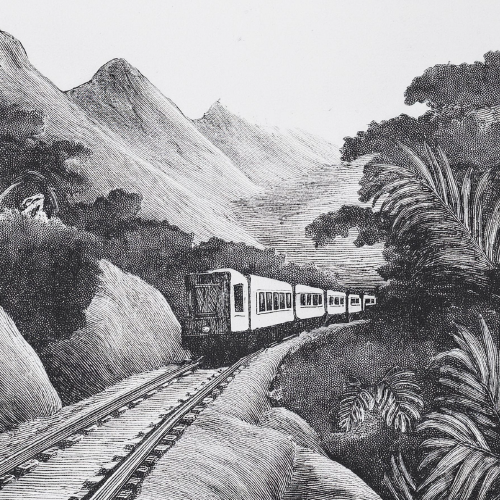
Morretes hasexperiencedvariouseconomiccyclesthathaveshaped its identityanddrivendevelopment in our region. Shallwe explore them?
Gold Cycle
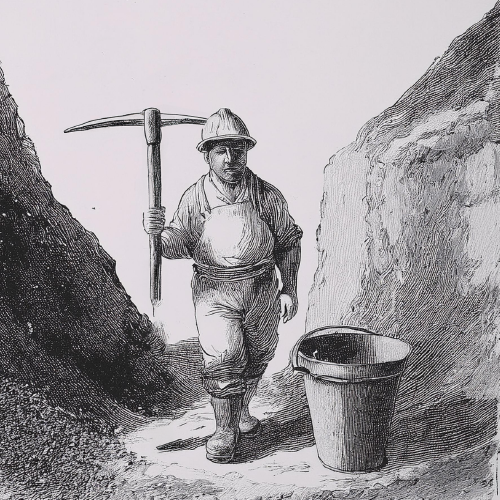
The discoveryofgolddeposits in theregionattractedmanyminers in the 17th century. Morretes, strategicallylocatedbetweenthecoastandthe interior, benefited as a support point for travelersseeking fortune in Paraná.
Mate Herb Cycle
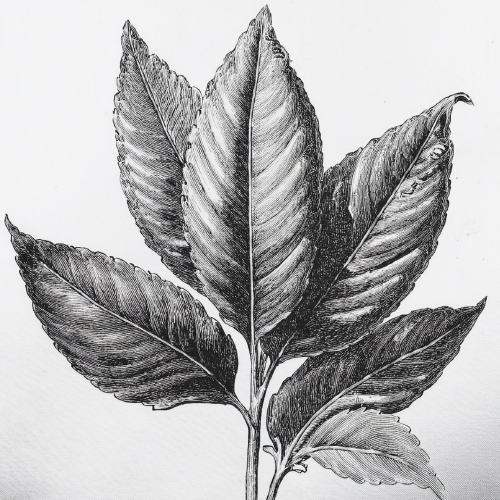
Duringthe 18th and 19th centuries, Morretes wasanimportant center for theproductionof mate herb. The plantwasthecornerstoneofthe local economyandwasevenexportedabroad. The herb trade broughtwealth, stimulatedurbangrowth, and led totheconstructionofsignificantarchitecturalstructures.
Timber Cycle
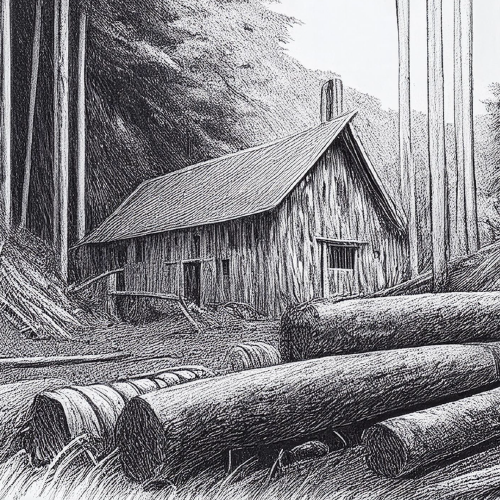
The exploitationofnativetimberwasanotherimportantcycle for thecity. The forestsprovidedabundantrawmaterials for construction, furniture, ships, andotherproducts.
Tourism and Gastronomy
Today, Morretes islargelydrivenbytourismandgastronomy. The cityattractsvisitorsnotonly for its richhistoryand colonial architecturebutalso for its typicalcuisineandthe Serra do Mar train in Paraná.
Ciclos económicos de Morretes
Parte de nuestra historia, parte de nuestra gente.
Morretes hapasado por varios ciclos económicos que moldearonsuidentidad y trajerondesarrollo a nuestraregión. ¿Vamos a conocerlos?
Ciclo del Oro
El descubrimiento de yacimientos de oro enlaregiónatrajo a muchosminerosenelsiglo XVII. Morretes, situada estratégicamente entre la costa y el interior, se benefició como punto de apoyo para losviajeros que buscaban fortuna en Paraná.
Ciclo de la Yerba Mate
Durante lossiglos XVIII y XIX, Morretes fueun importante centro de producción de yerba mate. La planta era la protagonista de laeconomía local y se exportaba incluso al exterior. El comercio de layerba trajo riqueza, estimulóelcrecimiento urbano y laconstrucción de importantes estructurasarquitectónicas.
Ciclo de la Madera
a explotación de madera nativa tambiénfueun ciclo importante para laciudad. Los bosques proporcionabanmateria prima abundante para laconstrucción civil, fabricación de muebles, barcos y otrosproductos.
Turismo y Gastronomía
Actualmente, Morretes vive muy impulsada por el turismo y lagastronomía. La ciudadatrae a visitantes no solo por su rica historia y arquitectura colonial, sino también por sucocina típica y por eltren de la Serra do Mar paranaense.